Search Website
Close
-
About us
-
What we do
-
Culture Fusion
Back -
BEES
-
About us
-
What we do
-
Culture Fusion
Back -
BEES
Search Website
Close
WFV, Kiplingcoates Chalk Pit Nature Reserve,14.7.26
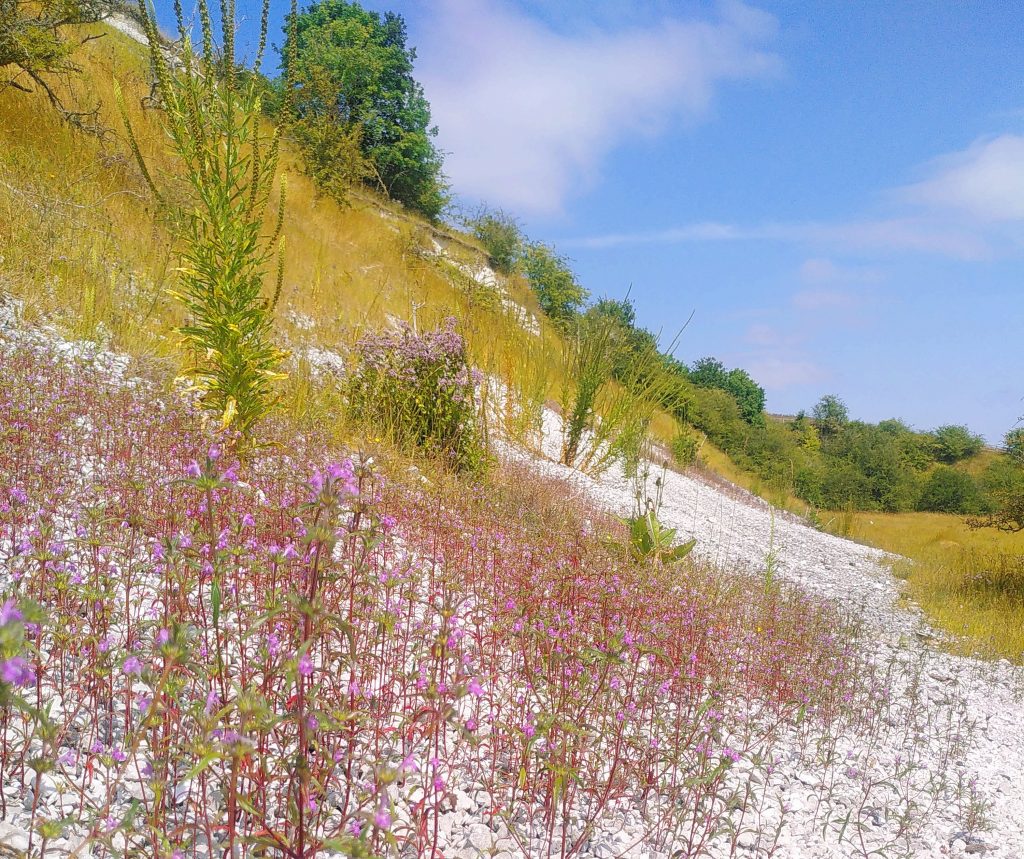
It is always a delight to visit Kiplingcoates Chalk Pit Nature Reserve. The site, located on the outskirts of Market Weighton, was quarried until 1902 and is now managed by Yorkshire Wildlife Trust. It provides a home for a range of chalk-loving plants, some of which are nationally rare. Its thin soil is well suited to a whole range of different plant species, whose growth is supported by a flock of Hebridean sheep which graze the pasture in winter.
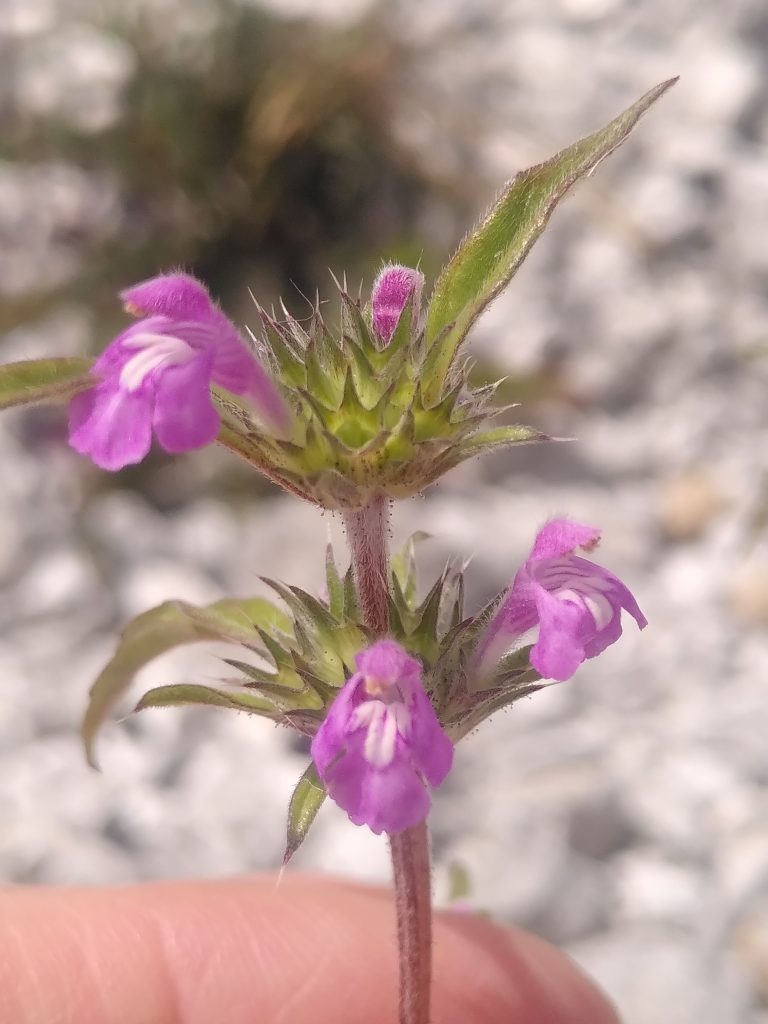
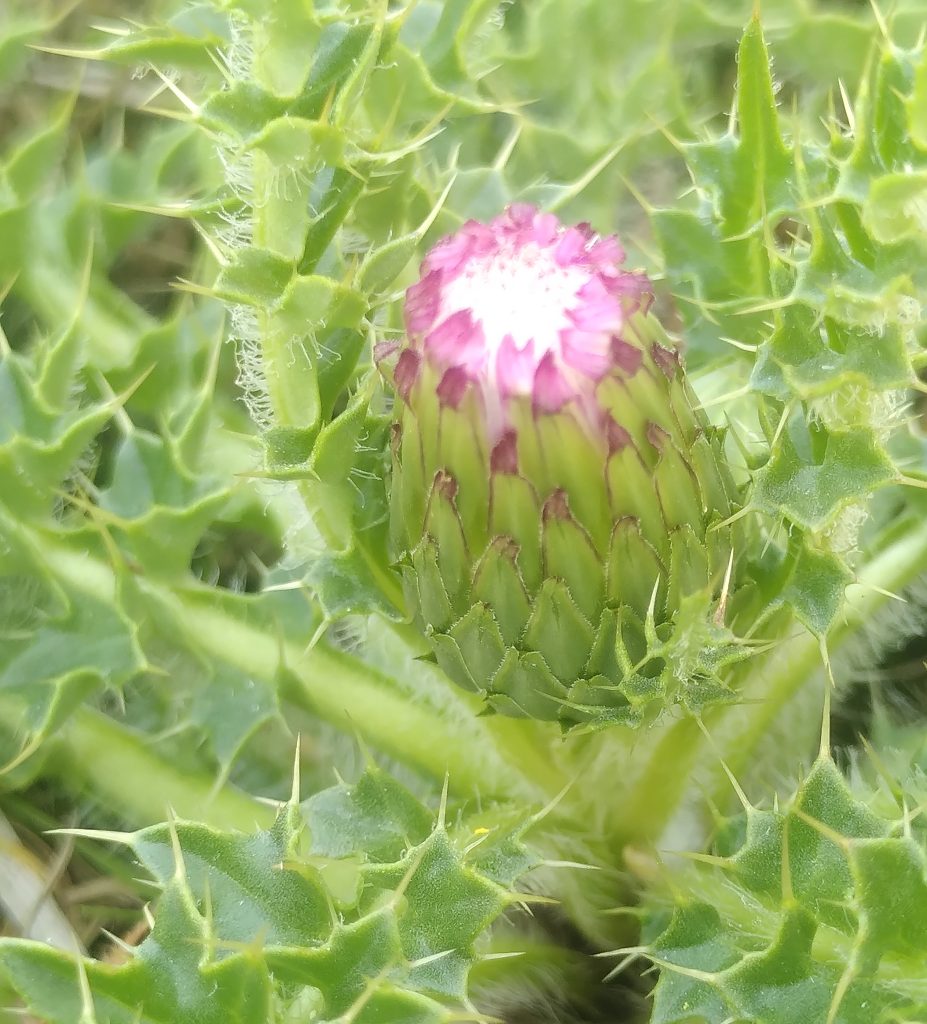
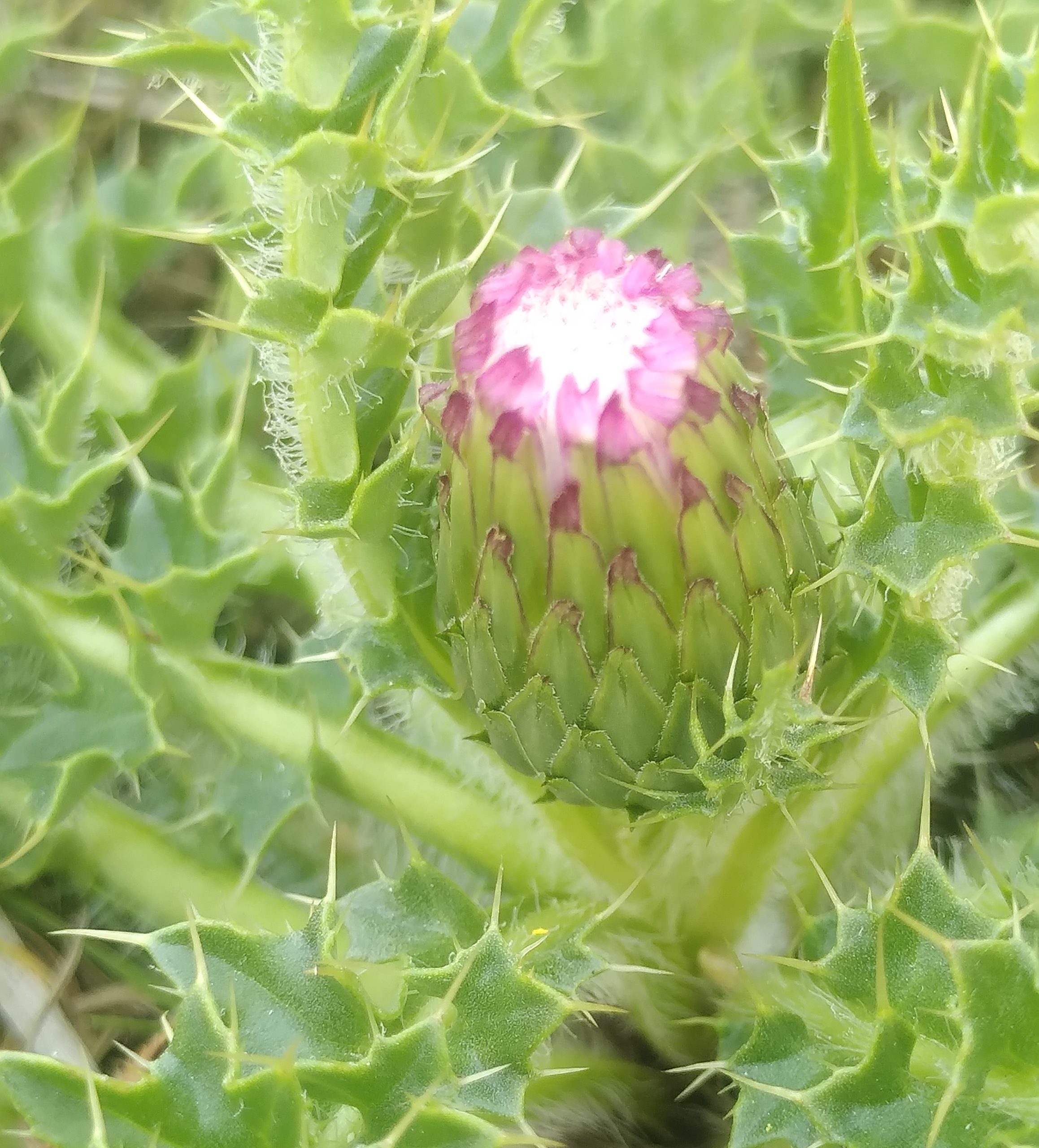
Today, on entering the site, my first impression was of how desiccated it all looked but our subsequent extensive exploration produced a list containing an extensive range of species. A yelllowhammer’s call was instantly recognisable as we walked through the entrance gate where we were immediately met by the sight of greater knapweed, some with their beautiful seedheads already on display. Our party of 7 then split up to explore, giving us all time to appreciate the breadth of plant life present. Common toadflax was seen in one area but further into the site Alice and Julia were delighted to find both small and pale toadflax. Carline thistle was noted and Amanda amazingly found the dwarf thistle, a first for many of us. The plant definitely deserves its name – well done Amanda. Lots of St John’s Wort of various species, harebells in abundance, small and field scabious, yellow-wort, Robin’s pincushion (spotted by Angela), wild pansy, rest-harrow, teasel, and eyebright were seen but the star of the show for me was the red hemp-nettle. This was growing in profusion on the chalk face of the hillside and I personally thought it had increased its range since I last visited. Sadly the basil thyme was not so accommodating and the 2 specimens spotted by Alice at the far end of the site were all that were seen. The hope is that this is not lost in future years. Mention should also be made of the autumn gentian which was in abundance and should produce some welcome late summer colour.
On the butterfly front, John recorded large and small white, marbled whites, small skipper, painted lady, small copper, gatekeeper, ringlet and meadow brown. Moths seen were silver Y, six-belted clearwing and dusky sallow.
A thoroughly enjoyable visit finishing off with a welcome stop in Market Weighton for a cool drink. Many thanks to Alice for leading and to Julia for getting us there and back safely.
Sally Tetlow