Search Website
Close
-
About us
-
What we do
-
Culture Fusion
Back -
BEES
-
About us
-
What we do
-
Culture Fusion
Back -
BEES
Search Website
Close
WFV, Cross Hill and Salthill Quarries, Clitheroe, 26.05.26
On the hottest day of the year to date eight adults and one grandchild, Miah, left Yorkshire to travel over the border into Lancashire. The day got off to an inauspicious start when the two participants waiting for collection at the Branch were hiding from the sun’s rays oblivious of the fact that the minibus was twenty yards away waiting for them. That hiccup resolved we proceeded comfortably across the border with the air conditioning (two open windows) working to perfection; memories of trying journeys with a full bus in similar temperatures a thing of the past.
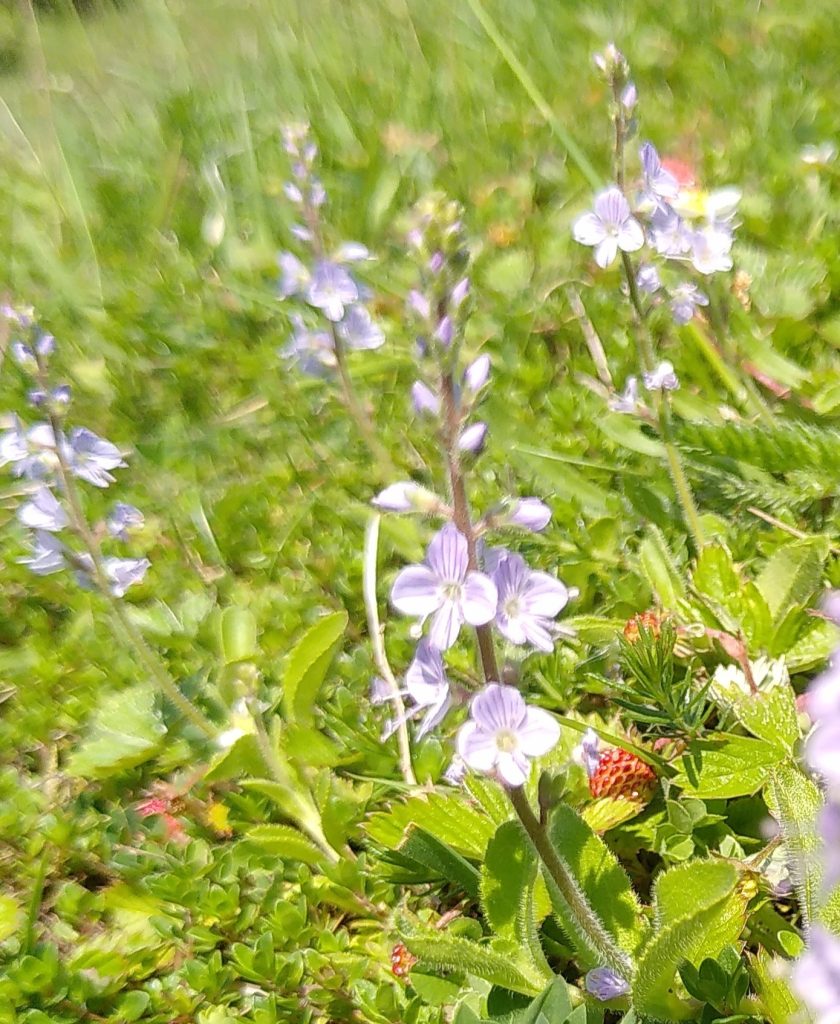
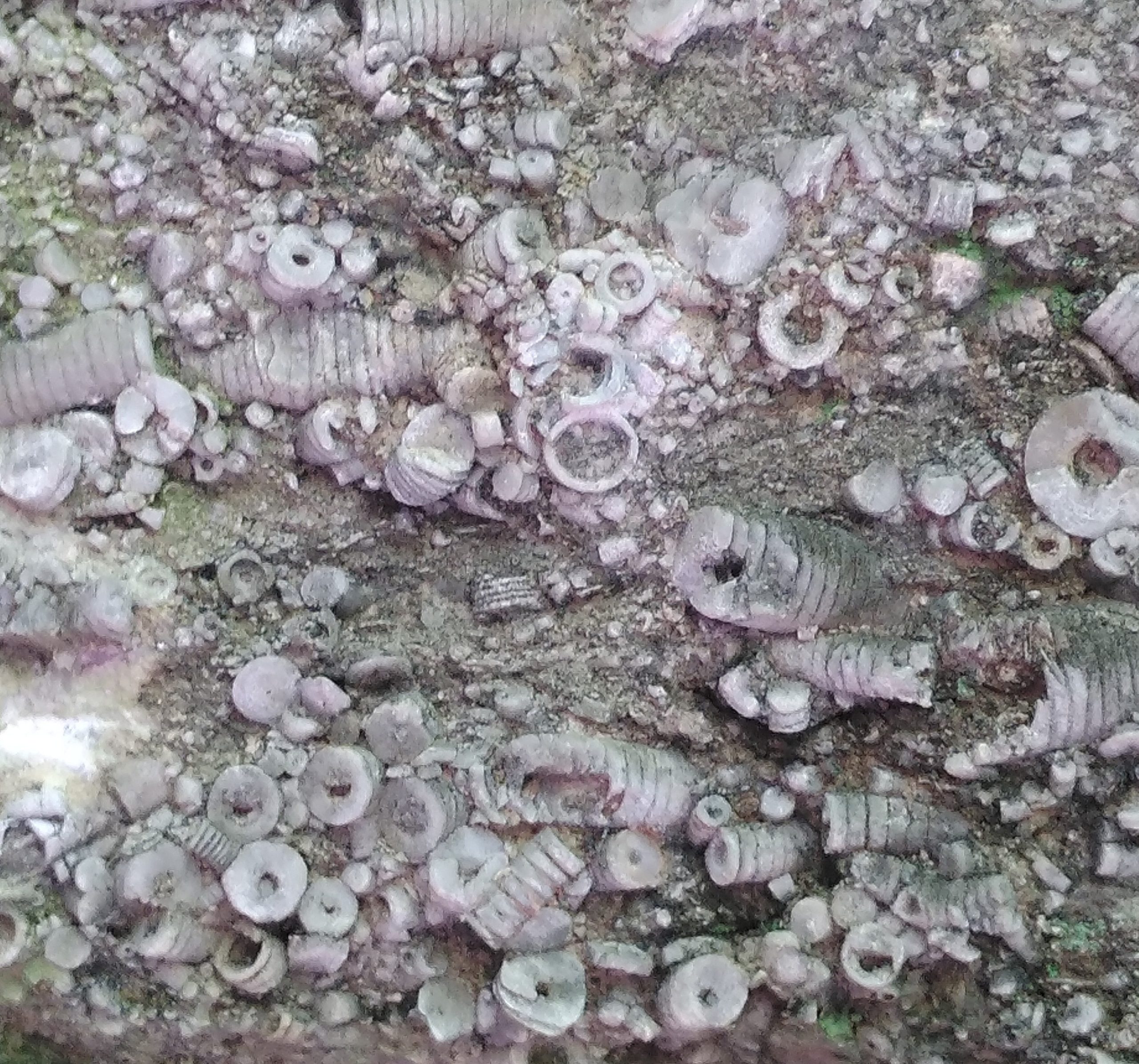
Our leaders had helpfully arranged to use the car park and facilities at Clitheroe Auction Mart and there we parked the bus just a short walk from Salthill Quarry. Basically, the site consists of the cliff faces of a former working limestone quarry now split by an industrial site and a road which were built on the quarry floor. The first part of the site takes in part of the floor where crinoid fossils can be found in abundance but also holds many interesting plants, over fifty being recorded by Alice as being in flower, the first of which was a sweetly-scented dog rose as we entered the site. The small plants of limestone were in abundance – wild thyme, wild strawberry, eyebright, milkwort, thyme-leaved sandwort, heath speedwell and both heath and quaking grass were present. The party spent some time examining the larval webs of the spindle ermine moth (its scientific name of Yponomeuta cagnagella worthy of mention) where the caterpillars were just emerging. A constant source of interesting information, Alice told us that the pignut which we saw in flower is probably the subject of the nursery rhyme ‘Here we go gathering nuts in May’ as the small tubers of the plant were eaten in days past. Shade was found in various forms for lunch before we progressed over the road to the second part of the site. Here we were very close to the quarry face and could examine the limestone rock formation in detail and note the different plants somehow surviving on the cliff face including the flowering wall lettuce.
Returning to the minibus we left Alison to enjoy the refuge of the shade and proceeded the short distance to Cross Hill Quarry which is a more extensive site with more woodland areas laid out as a sculpture trail which runs down to the river Hodder. Our leaders were apologetic that they had missed a path to take us on the intended route but the paths we explored were more than adequate for the energy that we had left. Julia immediately spotted hybrid geum and went on to find masses of common twayblade when adventuring with Amanda to the bottom of the site.
There were few birds about, presumably they were sheltering from the heat, but blackcaps had enough energy to be singing almost continually during the day and the sweetness of their song contrasted at the first site with the harshness of the amplified auctioneer’s voice which could be heard as the auction mart got into its stride. We found one damselfly, unfortunately John was not on hand to ID it but he did return with a captured Red Rumex Weevil, an insect that feeds of broad-leaved dock. Five species of butterfly were on the wing, red admiral, painted lady, speckled wood, orange tip and lots of common blues but the highlight of the day was a moth which Miah discovered on her insect safari, a Humming Bird Hawk Moth, the first that John had ever recorded on a Bees trip and a real treat for us all.
Many thanks to the organisers of the day, Alice and Sally and to our driver, Julia, whose enthusiasm always makes light of this onerous task.
Stuart